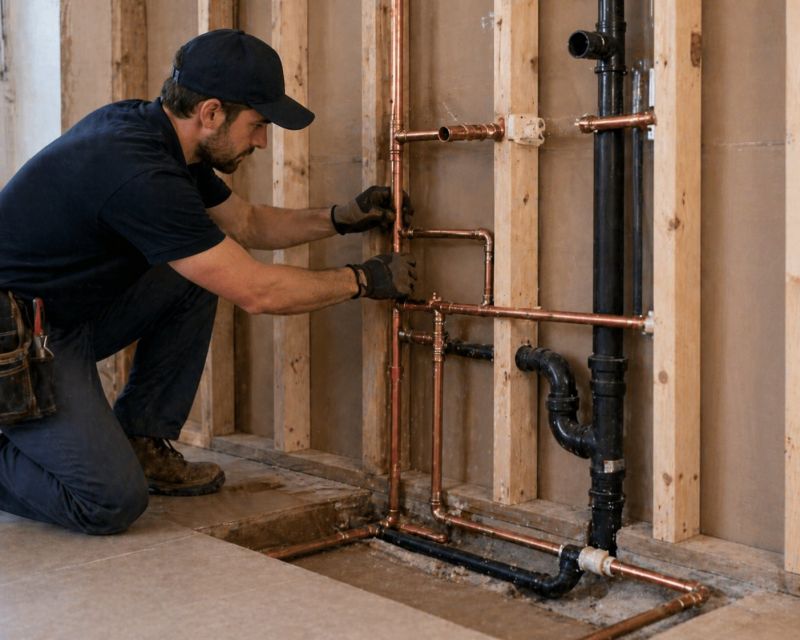
Plumbing Relocation in Denver, CO
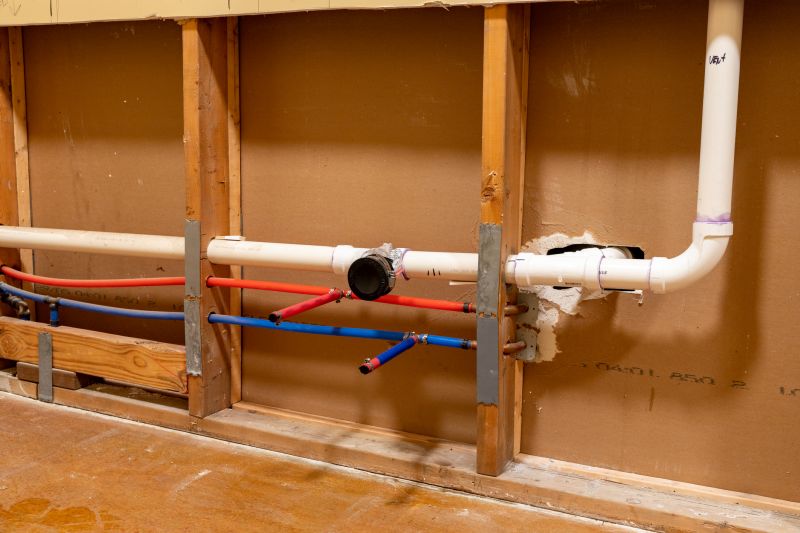
Plumbing relocation services involve moving existing plumbing lines to new locations within a property, often to accommodate renovations, additions, or reconfigurations of interior spaces. These projects can include repositioning sinks, toilets, bathtubs, or main water lines, as well as rerouting drain and vent pipes. Homeowners typically request these services when undertaking remodels, expanding a kitchen or bathroom, or updating older plumbing systems to improve functionality and access.
Before requesting plumbing relocation, property owners should consider the scope of the project, including the extent of pipe rerouting needed and the potential impact on existing fixtures. It’s also helpful to understand any necessary permits or regulations in the area, as well as the condition of current plumbing infrastructure. Clear communication about the desired outcome and any specific requirements can help ensure the project proceeds smoothly and meets the property's needs.
Many property owners in Denver, CO look into Plumbing Relocation for repairs, replacements, upgrades, and appearance-related improvements.
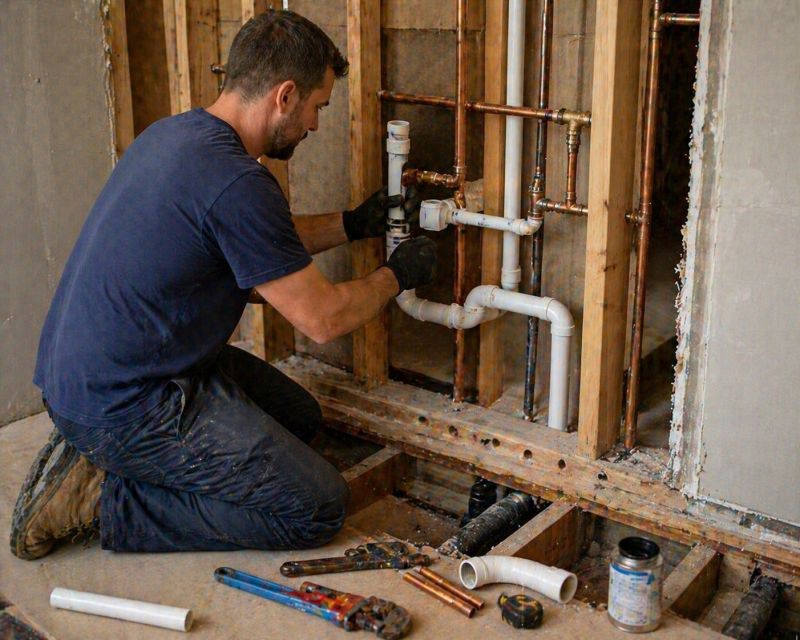
Relocating Plumbing Lines
Services include moving existing pipes to accommodate remodeling or new layouts.
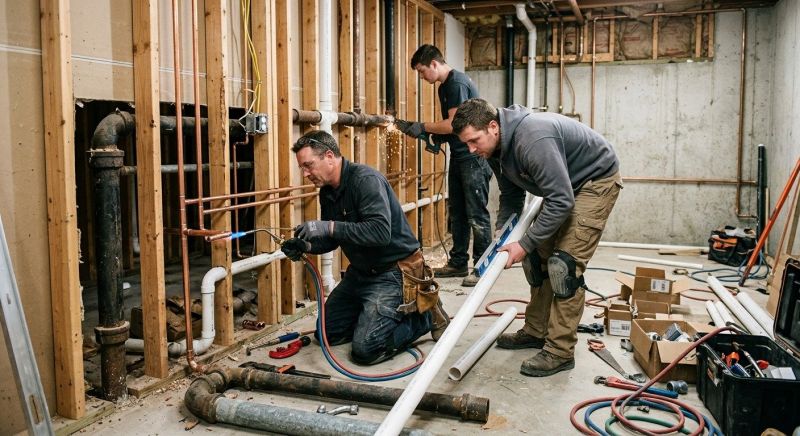
Kitchen And Bathroom Reconfigurations
Plumbing relocation helps optimize space and improve functionality in home renovations.
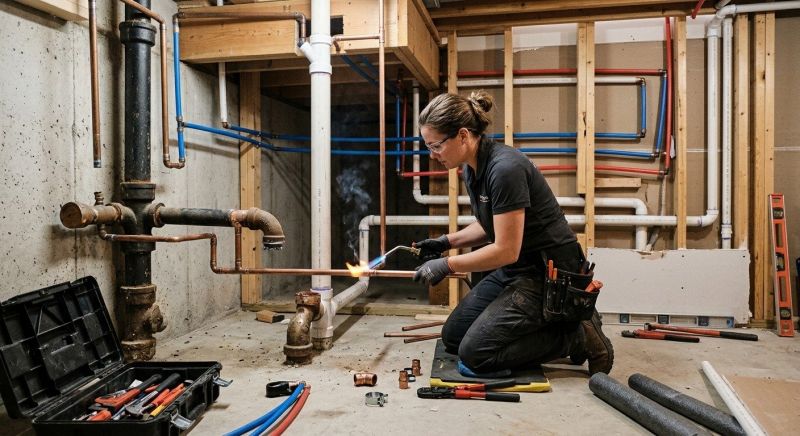
Property Expansion Projects
Adjusting plumbing systems to support additions like new rooms or extensions in denver homes.
Plumbing Relocation in Denver, CO

Plumbing relocation services involve moving existing plumbing lines to new locations within a property, often to accommodate renovations, additions, or reconfigurations of interior spaces. These projects can include repositioning sinks, toilets, bathtubs, or main water lines, as well as rerouting drain and vent pipes. Homeowners typically request these services when undertaking remodels, expanding a kitchen or bathroom, or updating older plumbing systems to improve functionality and access.
Before requesting plumbing relocation, property owners should consider the scope of the project, including the extent of pipe rerouting needed and the potential impact on existing fixtures. It’s also helpful to understand any necessary permits or regulations in the area, as well as the condition of current plumbing infrastructure. Clear communication about the desired outcome and any specific requirements can help ensure the project proceeds smoothly and meets the property's needs.
Many property owners in Denver, CO look into Plumbing Relocation for repairs, replacements, upgrades, and appearance-related improvements.
Common Plumbing Relocation Jobs
Plumbing system relocation involves moving existing pipes to accommodate renovations or new layouts.
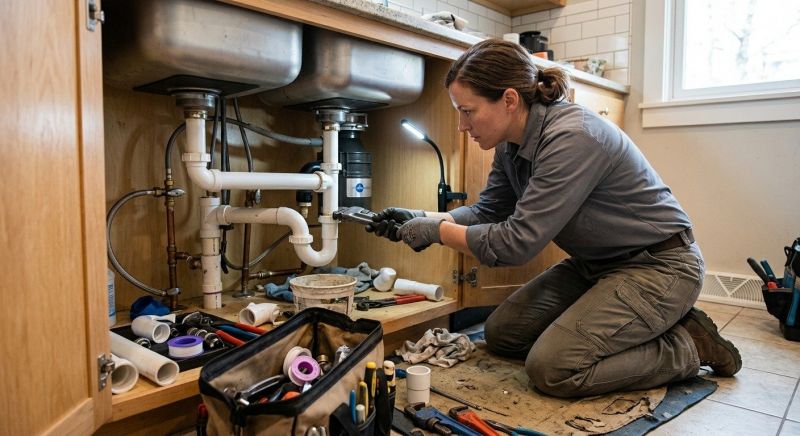
Bathroom and kitchen plumbing moves help update fixtures or expand space.
Main water line rerouting addresses property expansion or underground issues.
Drainage system adjustments improve flow and prevent backups in changing property layouts.
Underground pipe relocation ensures proper connections after foundation or landscaping changes.
Pipe replacement during relocation enhances reliability and prevents future leaks.
Plumbing Relocation Questions
What is plumbing relocation? Plumbing relocation involves moving existing pipes and fixtures to a new location within a property, often to accommodate renovations or additions.
When is plumbing relocation needed? It is typically required during home remodels, kitchen or bathroom upgrades, or when expanding living spaces that impact existing plumbing layouts.
What should property owners consider before a plumbing move? It's important to evaluate the current plumbing system, access points, and potential impact on other utilities to ensure a smooth transition.
What types of projects involve plumbing relocation? Common projects include basement finishing, room additions, kitchen upgrades, or reconfiguring bathrooms to improve layout and functionality.
Request Plumbing Relocation in Denver, CO
Use the quote form on this page to share the basics of your project and request more information for the type of work you need.